
Resins
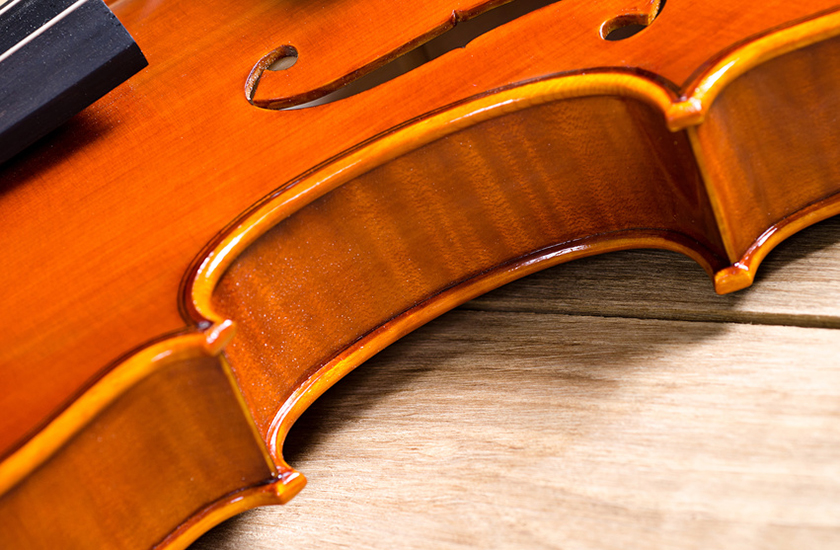
JOHA® Resins and Raw Materials for Violin Making
Whether for making your own varnish, for repairs or for playing: in this category you will find resins and raw materials of tested quality for violin makers, restorers and musicians. Our range at a glance:
- Natural resins such as gum benzoin, dammar, copal, mastic, sandarac and shellac, plus ethanol 99%
- Balsams and essential oils such as lavender oil, spike lavender oil, copaiba balsam and linseed oil
- Shellac sticks for repairing varnish damage
- Bow rosin for violin, viola, cello and double bass
With our natural resins, you can prepare varnishes yourself according to traditional formulas. If you prefer to start with a ready-made blend, our Spirit Varnish in Powder Form offers a balanced natural resin mixture.

Dieser reine Alkohol 99% (vergällt mit 1% MEK) ist bestens geeignet um Naturharze selbst zu lösen. Durch diesen hochwertigen Alkohol bekommt ihre Lösung keine weißen Verharzungen (Schlieren). Auch für die spirituslöslichen Pulverfarben empfehlen wir unser Ethanol 99%. Für einen Lackansatz empfehlen wir ca. 300g-400g Harze auf 1 Liter Ethanol. ACHTUNG - Der 10 Liter Kanister kann NUR in Deutschland verschickt werden.
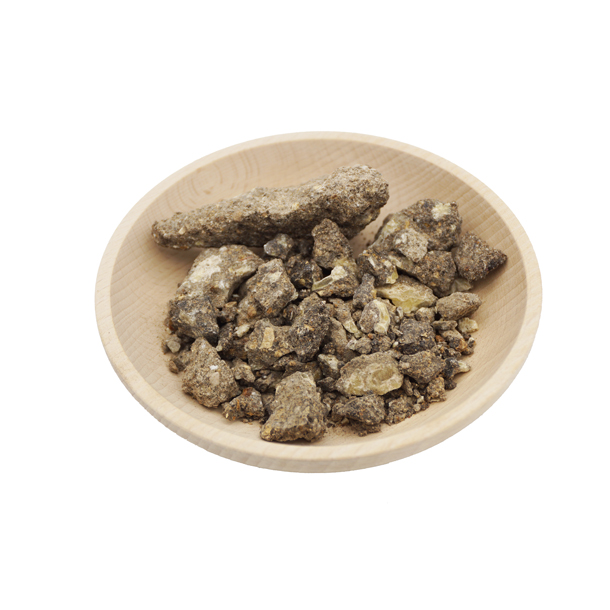
Benzoin is a balsamic natural resin from various Styrax trees growing in India, Thailand, and neighboring countries. The bark is scored, and the sap that seeps out is collected once it has hardened. In this grade, the light-colored resin tears, known as almonds, are bound together into chunks by resin mass. This makes it the economical choice for making your own varnishes. Properties chunks: light-colored almonds embedded in resin mass soluble in alcohol, on its own or combined with other resins makes the varnish film more flexible and adds gloss warm, vanilla-like scent from benzoic acid and vanillin Use in Instrument Making In violin making, benzoin is mainly added to spirit varnishes, often together with shellac or rosin. In shellac polishes, it adds extra gloss. Benzoin has a long history as a varnish resin: as early as the 16th century, it was used in spirit varnishes for paintings. Other Uses Outside the workshop, benzoin is a classic incense resin used in incense blends and sticks. Thanks to its warm scent, it is also used in perfumery. Also in our range: frankincense. Storage Keep tightly closed. Available in 100 g, 250 g, 500 g, and 1 kg. If you want to work with the pure almonds only, choose Benzoin, pure almond. Our book “Violin Varnishes” covers benzoin and other varnish resins in detail.
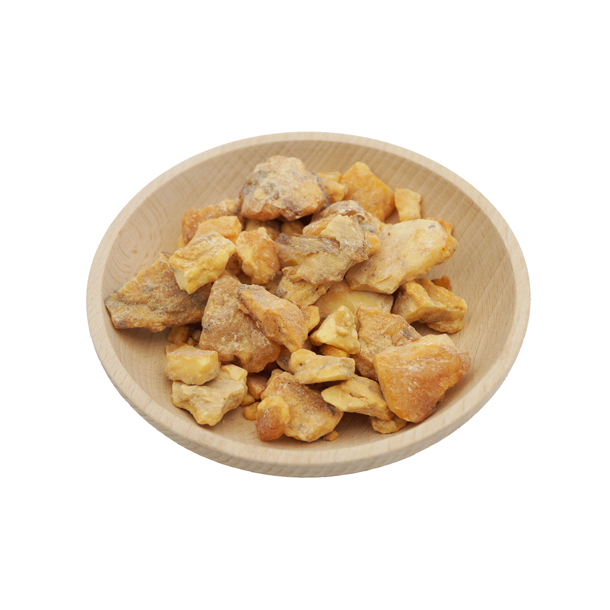
Benzoin, pure almond consists solely of the light-colored resin tears of the Styrax tree, without the binding resin mass found in the chunk grade. The resin comes from India, Thailand, and neighboring countries: once the bark is scored, sap emerges, hardens, and is then gathered. Properties selected, pure resin almonds completely soluble in alcohol when pure acts as a plasticizer and gloss enhancer in varnish pleasant vanilla scent, owing to benzoic acid and vanillin Use in Instrument Making Violin makers add pure almond benzoin to spirit varnishes and shellac polishes to give them gloss. In proven recipes, a small proportion alongside main resins such as shellac and rosin is enough. Other Uses The pure almonds are also popular as incense resin, releasing a sweet, balsamic fragrance on charcoal. In perfumery, benzoin serves as a fragrance ingredient with a vanilla note. Storage Keep tightly closed. Available in 100 g, 250 g, 500 g, and 1 kg. As a more economical alternative, we offer Benzoin in chunks with embedded almonds. Read more about benzoin in our book “Violin Varnishes”.
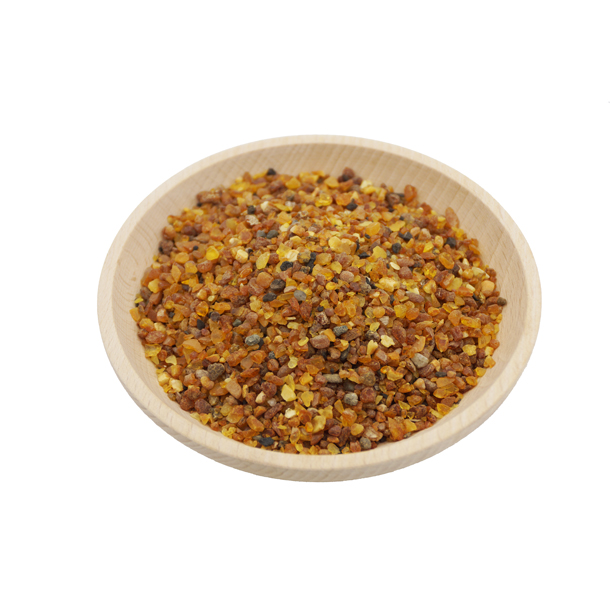
Amber is the fossilized resin of prehistoric conifers, most commonly found in the Baltic region. The former tree resin has hardened into a hard, glassy material whose color ranges from pale yellow to reddish brown. Properties very hard fossil resin containing succinic acid highly resistant to acids and alkalis barely soluble in common solvents; softens at about 250 °C (482 °F) and melts at around 290–300 °C (554–572 °F) darkens from yellow to brown when melted Use in Instrument Making To make amber varnish, the resin is first melted and then dissolved in linseed oil or turpentine oil, producing dark oil varnishes. A 16th-century recipe already describes a lute varnish made from amber and spike oil, colored red with dragon’s blood. Other Uses Amber also has its place in oil painting: dissolved in a drying oil, it serves as a varnish and as a painting medium. Furniture conservators cook it with linseed oil following historical recipes to make a varnish that sets faster than linseed oil alone. Amber is also suitable as incense and is used in India, for example, as a substitute for frankincense. Processing Note Heating resins and oil to high temperatures poses a fire hazard and produces fumes. Work only outdoors or with good extraction. Available in 100 g, 250 g, 500 g, and 1 kg. We also offer matching linseed oil. Our book “Violin Varnishes” offers recipes and background on amber and other varnish resins.
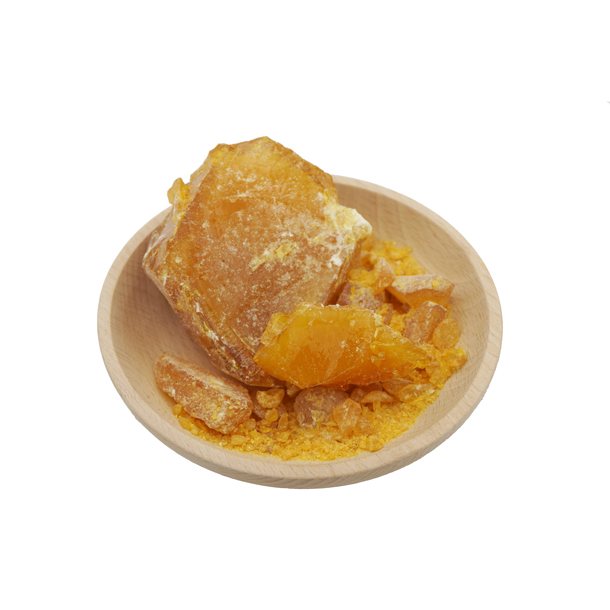
Burgundy resin, known in French as “poix de Bourgogne,” originally referred to the purified resin of spruce. Today it is mostly obtained from pine resin. Our Burgundy resin comes from France, where resin production is centered in the Landes region, mainly from tapping the maritime pine (Pinus pinaster). Properties conifer resin of French origin soluble in alcohol and acetone highly tacky Use in Instrument Making Burgundy resin has been used as a varnish for wooden objects, especially musical instruments. Since it dissolves in alcohol, it combines well with other resins in spirit varnishes. Other Uses Thanks to its strong tack, Burgundy resin also serves as a cement. As an incense resin, it releases a pleasant, resinous scent on charcoal. It is also suitable as an ingredient in homemade cosmetics. Available in 100 g, 250 g, 500 g, and 1 kg. Another conifer resin in our range is rosin. For dissolving, we offer ethanol 99%. Learn more about varnish resins and how to process them in our book “Violin Varnishes.”
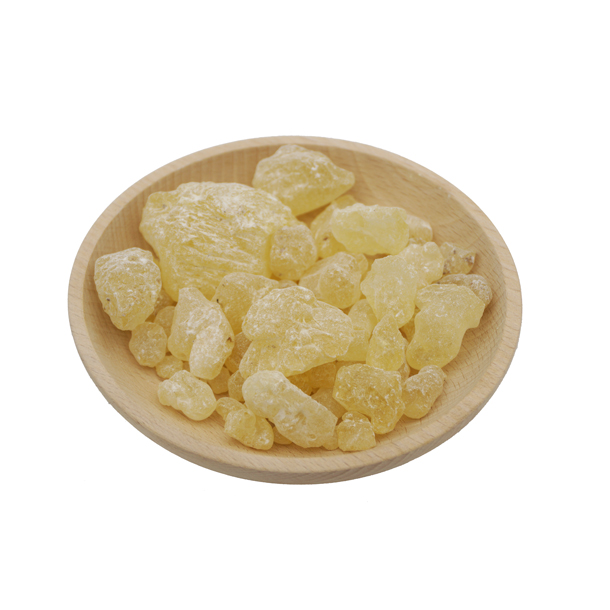
Dammar is a clear, pale yellow natural resin from Southeast Asia. It comes from trees of the Dipterocarpaceae family, mainly of the genera Shorea and Hopea. Known as a picture varnish since 1826, dammar largely replaced mastic in this role during the 19th century. Properties clear, pale yellow resin soluble in turpentine, fatty oils, and alcohol; only partly soluble in cold alcohol, fully in warm alcohol forms a thin, colorless, glossy, and elastic film darkens over time Use in Instrument Making Dammar is one of the natural resins suitable for varnishes on musical instruments. It can be used in spirit varnishes as well as in turpentine-based varnishes. To prepare it in turpentine, hang the resin pieces in a cloth bag in balsam turpentine. After a few hours, the resin has dissolved, and impurities remain in the bag. Moisture during preparation makes the solution cloudy. Other Uses In painting, dammar serves as a final varnish for oil and tempera paintings, as a medium for glossy glazes, and as an ingredient in encaustic media. Conservators also use it for retouching varnishes. Note Do not inhale resin dust, as it may cause allergies. Available in 100 g, 250 g, 500 g, and 1 kg. A related resin for varnishes is our mastic. You can find more about varnish resins in our book “Violin Varnishes.”
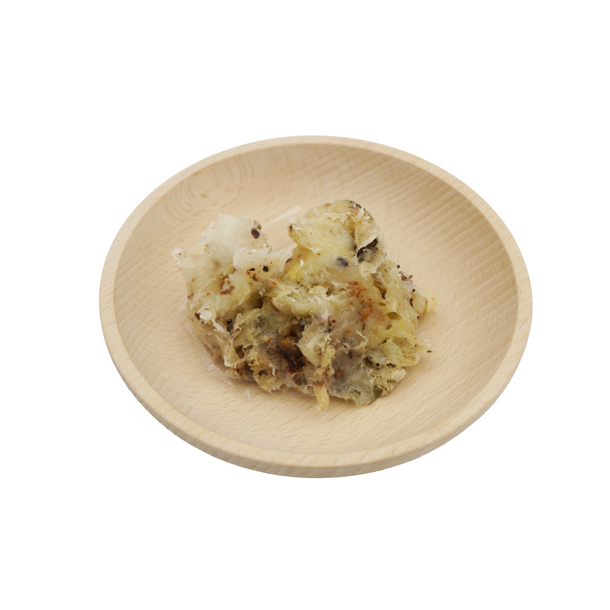
Gum elemi is a soft, sticky natural resin from trees of the Burseraceae family. The most common type today is Manila elemi from the pili trees (Canarium luzonicum) of the Philippines. It is malleable and has a strong, spicy scent. Properties soft, malleable resin with a high content of volatile oils soluble in alcohol, even cold, and readily soluble in turpentine acts as a plasticizer in varnish hardens once the volatile components have evaporated Use in Instrument Making Elemi is added to spirit varnishes and gives the finish on musical instruments gloss and flexibility. It can be dissolved cold in alcohol. If the solution stays cloudy, this is due to a crystalline component, amyrin, which dissolves poorly in cold alcohol. Just a little balsam turpentine, in which elemi dissolves readily, makes the solution clear. Other Uses Beyond instrument making, elemi is used in perfume bases, lithographic printing inks, and coatings for paper and textiles. Available in 100 g, 250 g, 500 g, and 1 kg. Another plasticizer for spirit varnishes in our range is benzoin. Our book “Violin Varnishes” covers resins for spirit varnishes in more detail.
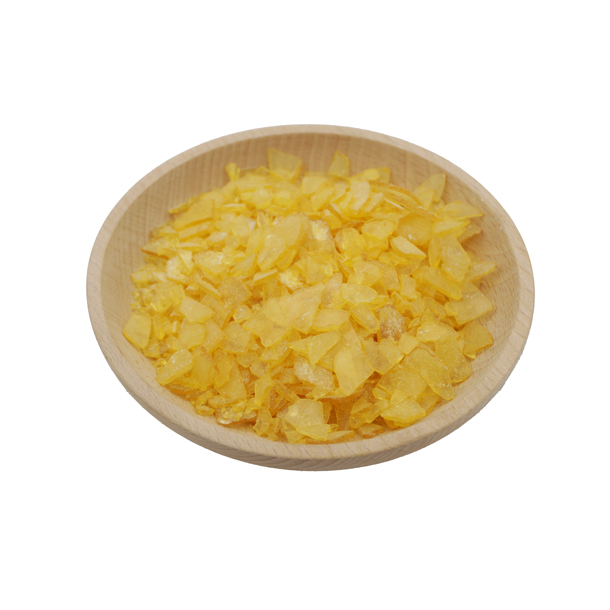
Rosin, also called colophony, is the solid residue left after turpentine oil has been distilled off from pine balsam. The name goes back to the ancient Ionian city of Colophon, and in old German varnish recipes it is also called “violin resin.” We supply it as pure resin in pieces: clear, brittle, and ranging in color from yellow to reddish brown. Properties soluble in alcohol, turpentine, acetone, and fatty and essential oils; insoluble in water melts between about 100 and 150 °C (212–302 °F) depending on the grade; becomes sticky when warm faint pine scent Use in Instrument Making Pale rosin can be made into both spirit and oil varnishes that are also acoustically suitable for instruments. It adds body to varnish and makes it softer. Classic recipes combine it with shellac in alcohol or cook it with an equal amount of linseed oil to make an oil varnish. Other Uses Rosin is an ingredient in soldering fluxes, sealing wax, printing inks, and adhesives. In painting, it is used in tempera emulsions and as an additive to oil painting media. Mixed with beeswax and a little linseed oil, it is used to fix the reeds in accordions. Note Rosin is highly flammable and burns with a sooty flame. Heat it carefully when melting. Available in 100 g, 250 g, 500 g, and 1 kg. We also offer it finely ground as rosin powder. Learn more about varnish resins in our book “Violin Varnishes.”
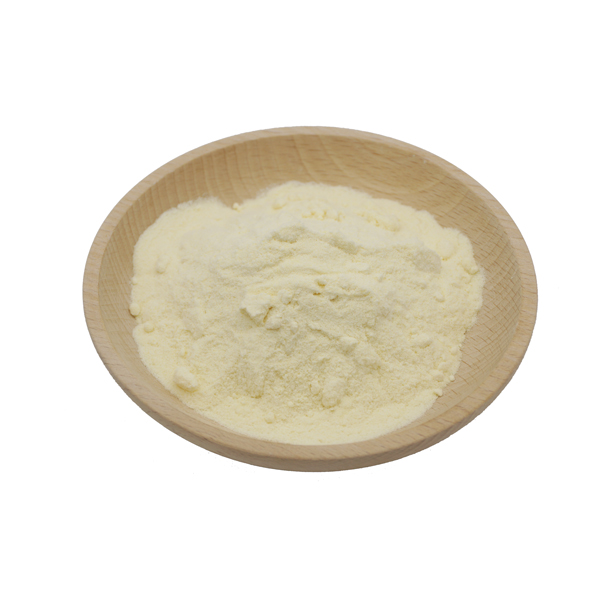
Rosin powder is finely ground rosin, the resin that remains after turpentine oil has been distilled off from pine balsam. As a fine powder, it needs no crushing before dissolving and can be applied or sprinkled evenly. Properties finely ground, pure rosin soluble in alcohol, turpentine, acetone, and fatty and essential oils; insoluble in water finely divided, dissolves faster and more evenly than pieces Use in Instrument Making For varnish making, the powder has clear advantages. The Guild of American Luthiers explicitly recommends pale rosin in powdered form for making varnish. Finely divided, the resin dissolves quickly and evenly, whereas lumps can remain as sticky clumps for a long time when cooking an oil varnish. A spirit varnish is especially easy to make: add as much powder to a solution of shellac in ethanol as will dissolve, let it stand overnight, and strain it. This varnish brushes well, has a good luster, dries more slowly, and stays softer than straight shellac. For an even more supple varnish, add a little castor oil. Other Uses In printmaking, rosin powder is dusted onto the plate for aquatint etching. Ballet, flamenco, and Irish dancers rub their shoes in it to avoid slipping on smooth wooden floors, and baseball pitchers, bowlers, and gymnasts use it for a secure grip. Note Do not inhale the dust. Frequent skin contact may cause contact allergies in sensitive individuals. Available in 100 g, 250 g, 500 g, and 1 kg. In pieces, we offer pure rosin. Learn more about rosin and other varnish resins in our book “Violin Varnishes.”
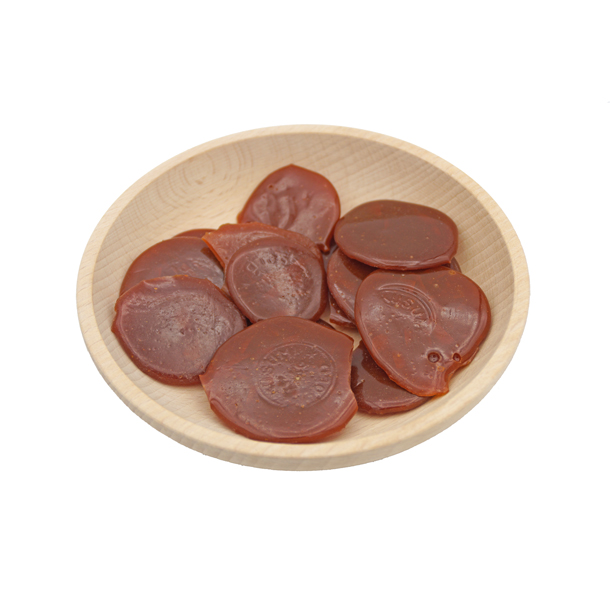
Buttonlac is a traditional commercial form of shellac. Shellac is the resin of the lac insect (Kerria lacca), which secretes it on the branches of its host trees in India and Southeast Asia. To make buttonlac, purified seedlac is melted, filtered through cloth, and dropped onto a cool surface. This creates the typical round discs that resemble buttons. Properties round discs of melted, filtered shellac, wax-containing soluble in alcohol melts at about 115–120 °C (239–248 °F) still mostly made by hand today Use in Instrument Making Shellac has always played an important role in violin making, both as a varnish resin and as the basis of French polishing, used to polish instruments. Dissolved in ethanol, buttonlac makes a rich, warm-toned polish. Because it contains wax, the solution may remain slightly cloudy. Other Uses Furniture restorers also value buttonlac for classic French polishing, which in English is even called “button polish.” Unbleached shellac is also a base material for brown and black sealing wax. Available in 100 g, 250 g, 500 g, and 1 kg. For clear, wax-free solutions, we recommend Shellac white, dewaxed. Learn more about the different types of shellac in our book “Violin Varnishes.”
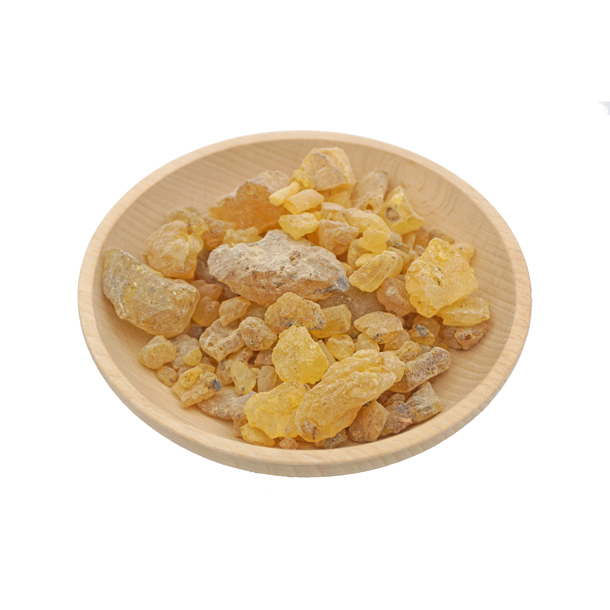
Manila copal is a natural resin from conifers of the genus Agathis, which grow in the Philippines and Indonesia, including the almaciga tree. The resin that seeps out is gathered once it has dried. Unlike the hard fossil copals, Manila copal is harvested directly from the living tree and is one of the soft copals. In the Middle Ages, copal was still confused with amber. Properties soft, non-fossil copal, pale yellow to light amber soluble in alcohol; after melting, also in oil and turpentine brittle and highly transparent Use in Instrument Making Since Manila copal dissolves in alcohol, it is suitable for spirit varnishes and as an additive in varnish formulations. Copals were among the common varnish resins of the 18th and 19th centuries, used both for varnishes and for resin-oil media. Our ethanol 99% is suitable for dissolving it, and sandarac is a good additional resin for spirit varnishes. Other Uses In painting, Manila copal serves as an isolating varnish over tempera underpaintings. It was also a standard ingredient in many fixative recipes used to protect drawings from smudging. Available in 100 g, 250 g, 500 g, and 1 kg. For a fossil resin for oil varnishes, see our amber. Learn more about Manila copal and its use in our book “Violin Varnishes.”
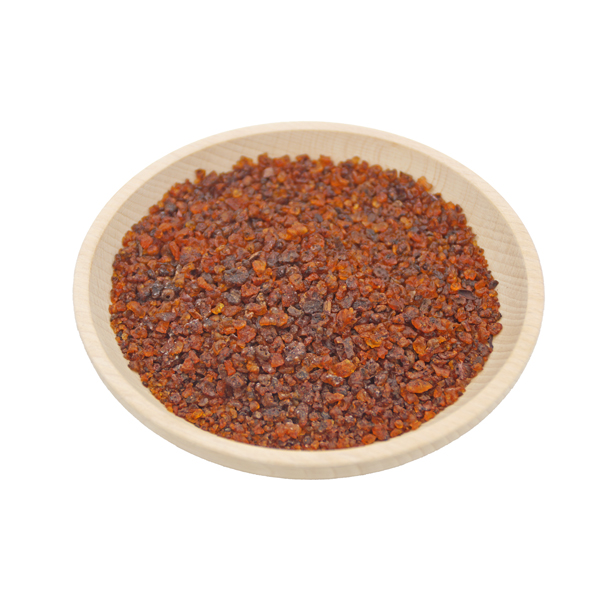
Seedlac is the most basic purified form of shellac and the starting material for all other shellac types. It is made from sticklac, the resin-coated branches of the host trees: these are crushed, sieved, and washed several times in water. What remains are small grains, which give seedlac its name. They still contain a few percent of natural accompanying substances, including wax. Properties minimally processed shellac in grain form soluble in alcohol color ranges from golden yellow to dark red depending on origin Use in Instrument Making Dissolved in alcohol, seedlac makes an excellent varnish for brushing, spraying, or French polishing. A recipe from 1707 already describes a “beautiful, glossy violin or lute varnish” made from grain lac and sandarac in spirit of wine. Another well-known example is the “1704” violin varnish: seedlac with mastic, sandarac, and a little spike oil in alcohol. Let the solution settle before use so that wax and residues separate out. Other Uses Like other types of shellac, seedlac is suitable for classic French polishing of furniture and guitars. Because its color depends on the batch, restorers like to use it to match warm, historical tones. Available in 100 g, 250 g, 500 g, and 1 kg. Melted and filtered, we also offer shellac as buttonlac. Learn more about the different types of shellac in our book “Violin Varnishes.”
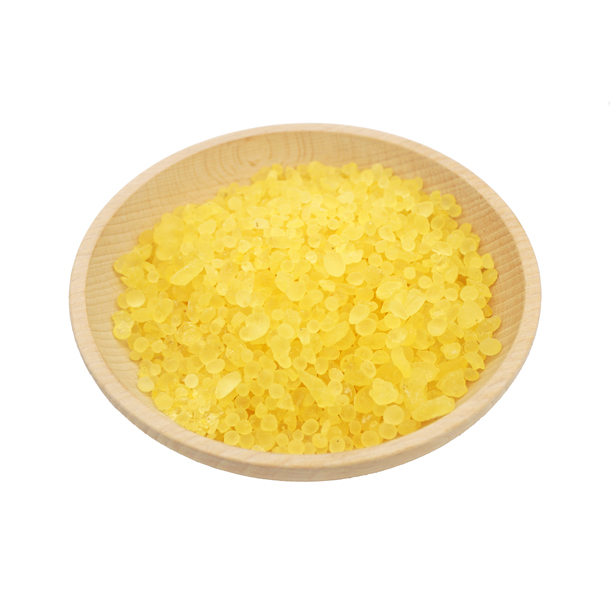
Mastic is the resin of the mastic shrub (Pistacia lentiscus), which grows in the Mediterranean region. Since the Middle Ages, it has been produced mainly on the Greek island of Chios, whose mastic is considered the finest. The resin seeps out in drops and hardens into small, clear, straw-colored grains known as tears, hence the name “tears of Chios.” Properties pure, clear tears of pale straw color soluble in alcohol, turpentine, fatty and essential oils, and acetone pleasantly fragrant Use in Instrument Making In instrument making, mastic is an important additive resin that makes a big difference even in small amounts. It improves the adhesion between individual varnish coats and gives the varnish a clear, glossy film. Its particular importance lies in how it works together with harder resins: a spirit varnish becomes both solid and supple only when hard and soft resins are combined. Together with shellac and sandarac, mastic produces a beautiful, flexible varnish that is especially suited to thin finishes on musical instruments. Since the 16th century, it has been part of lute and violin varnishes, both spirit and oil varnishes. Other Uses In painting, mastic dissolved in balsam turpentine was the preferred picture varnish until the 19th century. It also serves as a painting medium and in tempera emulsions. In Greece, mastic is traditionally chewed. Available in 100 g, 250 g, 500 g, and 1 kg. Another classic resin for varnishes is our dammar. Learn more about mastic and other varnish resins in our book “Violin Varnishes.”
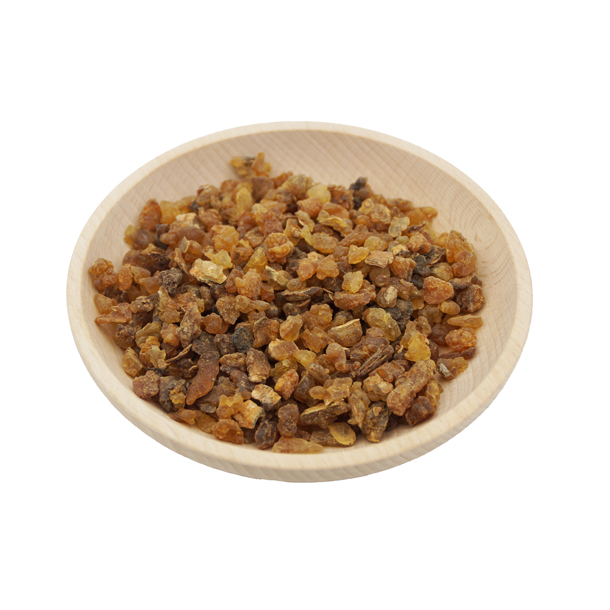
Myrrh is an aromatic gum resin from shrubs and small trees of the genus Commiphora, which grow in northeast Africa and on the Arabian Peninsula. The sap flows naturally from the bark; at first soft and pale yellow, it becomes hard, darker, and reddish as it dries. Myrrh is one of the oldest known resins and has been used for incense and fragrances since ancient times. Properties gum resin made up of resin, gum, and essential oil resin portion soluble in alcohol, gum portion soluble in water warm, balsamic scent Use in Instrument Making Myrrh is one of the natural resins suitable for varnishes on musical instruments and was already found in old violin varnishes. What makes it special: more than half of it consists of water-soluble gum. Rubbed with water, it forms an emulsion in which the resin and essential oil also remain bound. This makes myrrh suitable for water-soluble grounds and for impregnating the inside of violins. To use it as a water stain, myrrh is prepared in hot water with a little potash. For spirit varnishes, the resin portion that dissolves in ethanol is used. Other Uses Myrrh has been a classic incense resin for thousands of years and is often used together with frankincense. In perfumery, it is valued as a fragrance ingredient with a warm, balsamic note that also fixes other scents. Available in 100 g, 250 g, 500 g, and 1 kg. Another fragrant resin for varnishes is our benzoin. Learn more about myrrh and other varnish resins in our book “Violin Varnishes.”
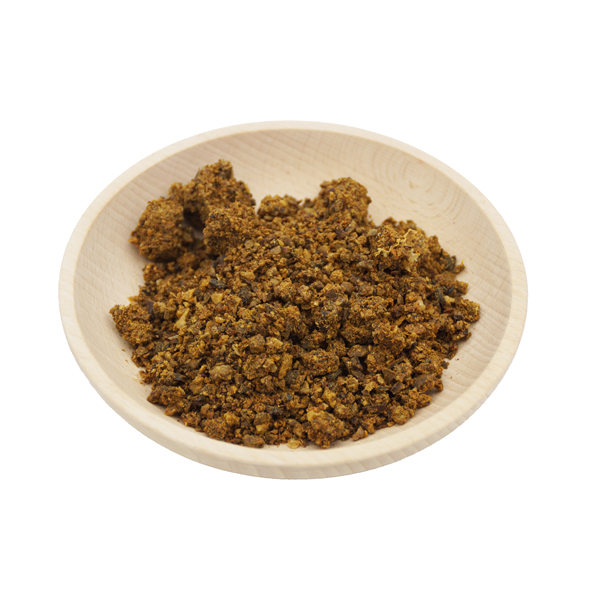
Propolis, also known as bee glue, is a natural resin made by honey bees themselves. They collect resin from the buds of trees such as poplar, birch, alder, and chestnut and mix it with wax and their own glandular secretions. They use it to seal the smallest gaps and cracks in the hive. Its composition varies with plants and region: roughly half resins and balsams, about one third wax, plus essential oils and pollen. Properties usually dark brown, strongly fragrant resin sticky above about 19 °C (66 °F), hard and brittle below resin portion soluble in alcohol and in ammonia solution Use in Instrument Making In string instrument making, violin makers use propolis as a varnish ingredient. A propolis tincture is also used to seal newly made bridges. Many Italian violin makers also use it to impregnate the inside of their instruments. Propolis protects the wood as well: scientific studies show that wood treated with propolis extract is considerably more resistant to wood-decay fungi. For wood coatings, the resin portion is dissolved in alcohol, and the wax and undissolved components are filtered off. We offer ready-made varnishes with propolis as JOHA® Propolis Varnish. Other Uses Beekeepers and hobbyists prepare tinctures from propolis and alcohol. In cosmetics, propolis is made into ointments and creams for skin care. Available in 100 g, 250 g, 500 g, and 1 kg. Already dissolved and filtered, we offer propolis solution. Learn more about propolis and other varnish resins in our book “Violin Varnishes.”
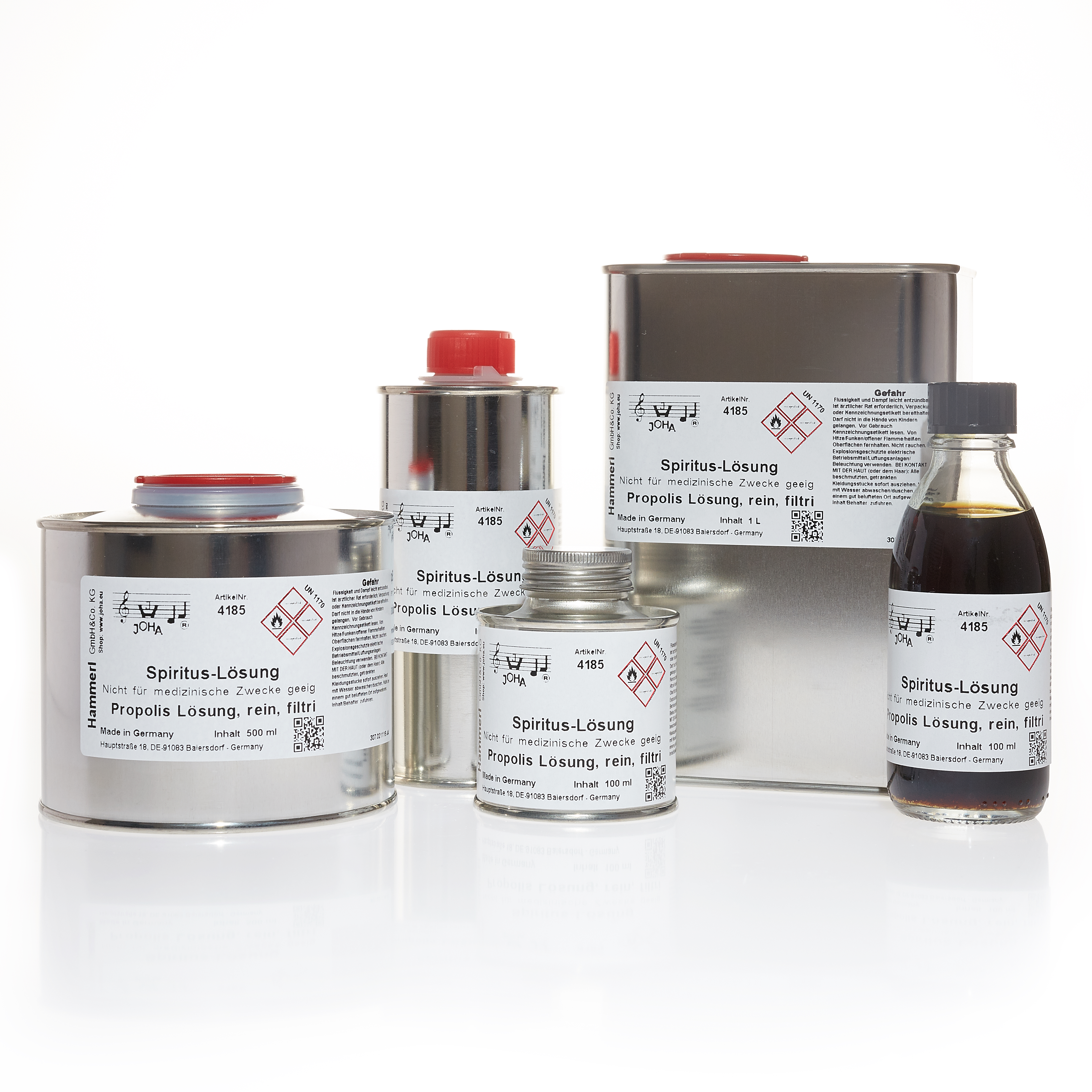
JOHA® Propolis Solution is ready-to-use dissolved bee glue. We dissolve pure propolis in ethanol and filter out the wax and undissolved components. The result is a brown solution with the typical propolis scent that can be used right away without any preparation. According to its safety data sheet, it is intended for varnishing musical instruments. Properties ready-to-use solution of propolis in ethanol filtered, free of wax and residues brown, with a characteristic propolis scent solids content about 17% Use in Instrument Making The solution saves days of steeping and filtering raw propolis. Violin makers use propolis tincture to seal freshly carved bridges and apply propolis to the inside of instruments. The solution is also suitable as an additive to spirit varnishes. Other Uses As a natural wood protection, alcoholic propolis extract in particular has been studied scientifically: wood treated with the extract resisted wood-decay fungi considerably better than untreated wood. Storage For storage, transfer the solution from the metal can into a tightly sealed glass container. Store in a cool, dry, well-ventilated place. The solution is highly flammable: keep away from ignition sources. To prepare your own, we offer propolis bee resin; ready-made varnishes can be found under JOHA® Propolis Varnish. Learn more about propolis in varnish in our book “Violin Varnishes.”
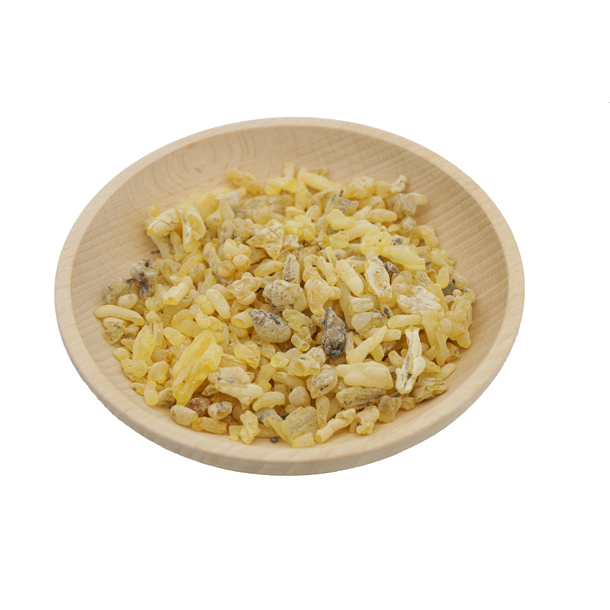
Sandarac is the resin of the sandarac tree (Tetraclinis articulata), a small, cypress-like conifer from northwest Africa. The resin seeps out on its own or from cuts in the bark and hardens in the air into small, translucent, pale yellow tears. Morocco is its main country of origin. Genuine sandarac in tears is unadulterated and easy to identify. Properties hard, very glossy but brittle resin pale yellow and translucent soluble in ethanol and acetone melts at about 150 °C, so it can be cooked with oil Use in Instrument Making In spirit varnishes, sandarac mainly provides hardness and gloss. That is why it is usually combined with shellac and mastic, where even a small amount makes the varnish film harder. Its brittleness is offset with a plasticizer such as Venetian turpentine. Sandarac is also one of the oldest resins for oil varnishes: around 1100, the monk Theophilus described a varnish of linseed oil and sandarac. Other Uses Beyond instrument making, sandarac is still widely used today: Calligraphy: finely powdered and dusted onto paper or parchment, it keeps ink from bleeding and produces crisp hairlines. Conservation: sandarac varnish serves as a hard, glossy protective coating on paintings, furniture and antiques. Watercolors: it is used to give watercolors a protective film. Leather and metal: dissolved in ethanol, it forms a hard, clear coating. Incense: with its balsamic scent, it is burned as incense, like frankincense. Available in 100 g, 250 g, 500 g and 1 kg. For the matching shellac, we offer seedlac, for example. Learn more about resins in violin varnish in our book “Violin Varnishes.”
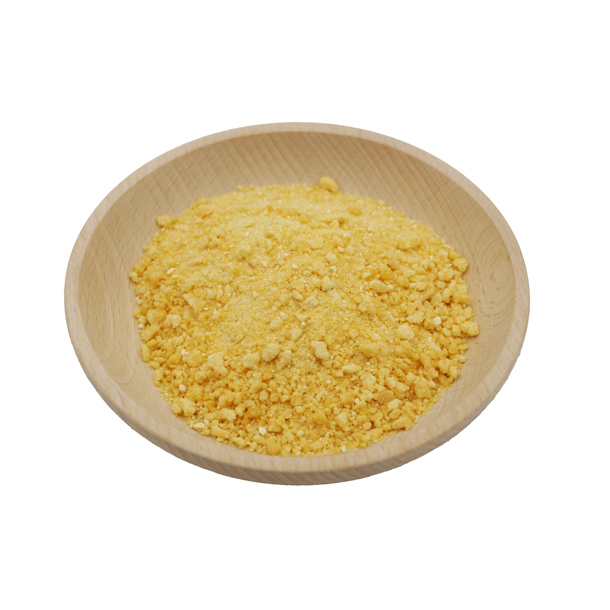
White Shellac, Clear, Dewaxed is the palest grade of shellac. Like all shellac, it comes from the lac insect, and shellac is the only commercial resin of animal origin. For the white grade, it is bleached and freed of its wax. What remains is a pale yellow resin that dissolves clear and almost colorless, so the natural color of the wood is preserved. Compared with other grades, it is considered slightly harder and glossier. Properties bleached and dewaxed dissolves clear and almost colorless soluble in ethanol hard, glossy varnish film Use in Instrument Making White shellac is the first choice when the varnish should not change the color of the wood, for example on light-colored instruments or as a clear coat. Because it contains no wax, subsequent varnish coats adhere well to it. This makes it suitable for sealing and priming as well as for intermediate coats. It can be tinted as desired with alcohol-soluble dyes. Violin and guitar makers also still use shellac for French polishing today. Other Uses Furniture and woodwork: clear French polish for light woods that preserves their natural color. Sealer and sanding sealer: it blocks wood extractives and odors and serves as a primer under paint or varnish. Storage Bleached shellac is more sensitive than other grades. Store it cool (below 20 °C / 68 °F), dry and airtight; otherwise it can clump and gradually lose its solubility. Best used promptly. Available in 100 g, 250 g, 500 g and 1 kg. To dissolve it, we recommend our ethanol. For a warm tone, we offer orange shellac. Learn more about the different types of shellac in our book “Violin Varnishes.”
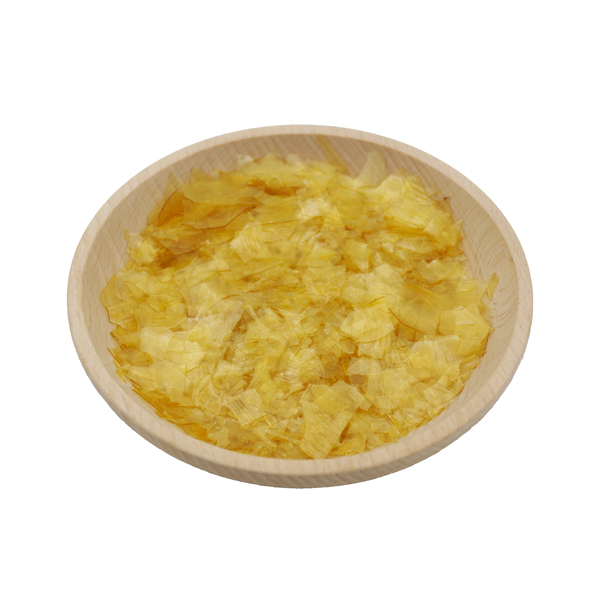
Shellac Sun, Bleached, Dewaxed is a pale flake shellac. The refined resin is made into thin sheets and broken into flakes. Bleached and freed of its wax, it produces a light, clear varnish. Compared with our powdered white shellac, it has a practical advantage: in flake form, it keeps longer. Properties pale, dewaxed flake shellac readily soluble in ethanol dries to a hard, glassy film keeps longer than white shellac Use in Instrument Making In violin and guitar making, Shellac Sun is well suited to light spirit varnishes and French polishing when the tone of the wood should change only slightly. On guitars in particular, French polish remains the classic finish to this day. It is also a key component of custom varnish blends: a small addition of sandarac enhances the gloss, while mastic improves adhesion between coats. It is especially valued for retouching: if a retouching varnish is too soft, adding Shellac Sun makes it harder and glassier. How much to add depends on the instrument’s original varnish. Other Uses Furniture and restoration: for light French polishes on furniture and for touching up old shellac finishes. Woodturning: bowls, boxes and other turned pieces are polished with shellac, on close-grained wood even without pore filler. Vintage radio cabinets: collectors restore the wooden cabinets of old tube radios with a shellac polish. Storage Store in a cool, dry place. As a flake shellac, it keeps longer than powdered white shellac. Available in 100 g, 250 g, 500 g and 1 kg. To dissolve it, we recommend our ethanol. For an even paler, completely clear solution, choose white shellac. Learn more about the different types of shellac in our book “Violin Varnishes.”
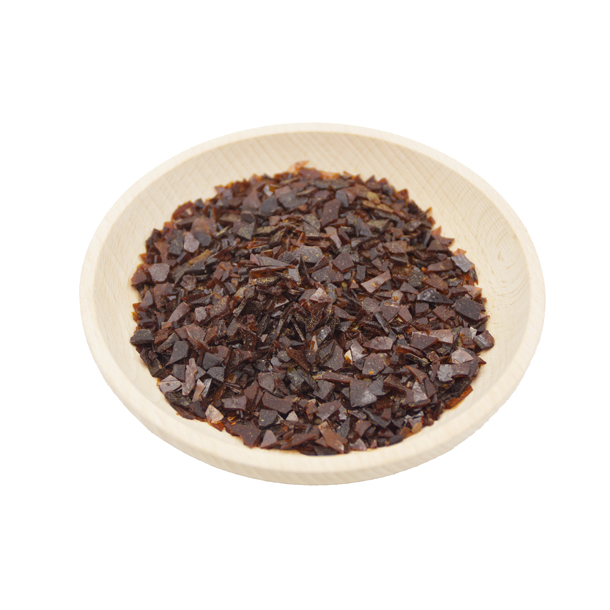
Shellac Golden Orange, Dissolves Clear combines a warm golden-orange tone with a clear solution. “Dissolves clear” means the natural wax has been removed. Shellac containing wax produces a milky, cloudy solution; this grade, by contrast, dissolves clear. It gives the wood warmth and depth without making the varnish look cloudy. Properties warm golden-orange tone dewaxed, dissolves clear soluble in ethanol more water-resistant than shellac containing wax Use in Instrument Making The golden-orange tone makes pale, new wood look warmer and older, much like an old varnish. In violin and guitar making, this grade is a good choice for priming, building up color and French polishing when the instrument should have a warm base tone. Because it contains no wax, subsequent varnish coats adhere well to it. Mixed with paler shellac, the tone can be finely adjusted. Other Uses Antique furniture: most old furniture was finished with orange shellac, so it matches the original tone in restoration work. Gilding and picture frames: gold leaf and imitation metal leaf are protected with a coat of shellac. Storage Store dry, cool and tightly closed. Heat can cause dewaxed shellac to clump. Available in 100 g, 250 g, 500 g and 1 kg. To dissolve it, we recommend our ethanol. For a paler tone, we offer Shellac Sun. Learn more about the different types of shellac in our book “Violin Varnishes.”
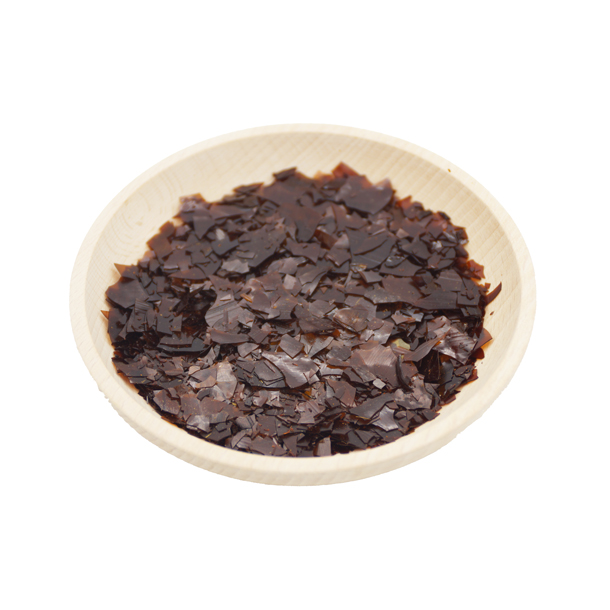
Shellac Ruby, Finest Quality, Dewaxed has a warm golden-brown tone with a slightly reddish sheen. This color is not added afterward: it occurs naturally and depends on the lac insect’s host tree and the time of harvest. Dewaxed, ruby shellac produces a clear solution. Properties golden-brown, slightly reddish tone dewaxed, clear and transparent soluble in ethanol keeps longer than pale grades Use in Instrument Making Ruby shellac brings warmth and depth to an instrument and accentuates the figure of dark woods. In guitar making, it is especially well suited to rosewood and other dark woods. In violin making, it is ideal for warm, golden-brown color coats with a slight red cast. Mixed with paler shellac, the tone can be adjusted precisely. Like all shellac grades, it is also a component of custom varnish blends. Other Uses In furniture restoration, dark shellac is popular for giving cherry, mahogany and walnut an antique tone. This brownish-red color is especially valued for antiques. Storage Store dry, cool and tightly closed. Darker shellac grades such as ruby keep longer than pale ones. Available in 100 g, 250 g, 500 g and 1 kg. To dissolve it, we recommend our ethanol. For a lighter, warm tone, choose golden orange shellac. Learn more about the different types of shellac in our book “Violin Varnishes.”
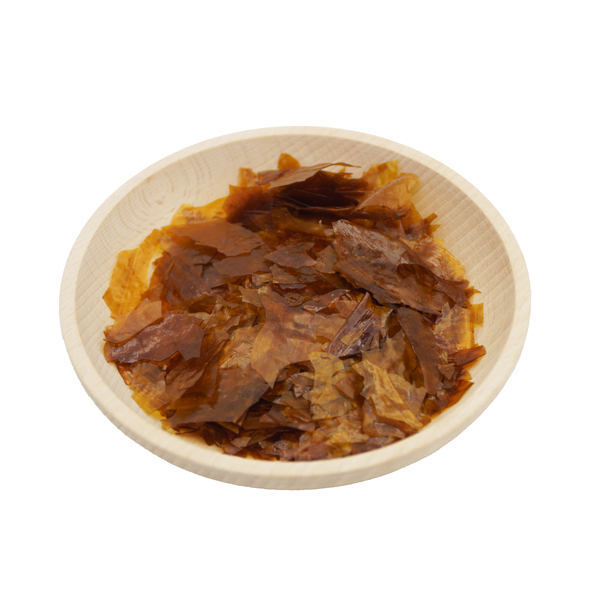
Shellac Lemon, Finest Quality is the classic workshop shellac: a yellow-amber flake shellac of the kind that has been in use for some 200 years. Unlike our dewaxed grades, it still contains its natural shellac wax, which is exactly what makes it so popular for French polishing. Properties yellow to yellow-amber tone contains natural wax (about 4–5%) soluble in ethanol; the solution is slightly milky but dries clear keeps especially well Use in Instrument Making Lemon shellac is the traditional choice for French polishing, especially on classical and flamenco guitars. During polishing, the wax it contains acts as a lubricant, so the pad glides more easily. It works best when the entire finish is built up from shellac. If other varnishes are to go on top, a dewaxed grade is the better choice. Other Uses Lemon shellac is also at home in furniture polishing and restoration. It produces a warm, golden-brown French polish that suits antique furniture as well as new custom pieces. Storage Store in a cool, dry place. The natural wax protects the shellac, so shellac containing wax keeps considerably longer than dewaxed grades. Available in 100 g, 250 g, 500 g and 1 kg. To dissolve it, we recommend our ethanol. If you plan to topcoat, choose dewaxed golden orange shellac. Learn more about the different types of shellac in our book “Violin Varnishes.”
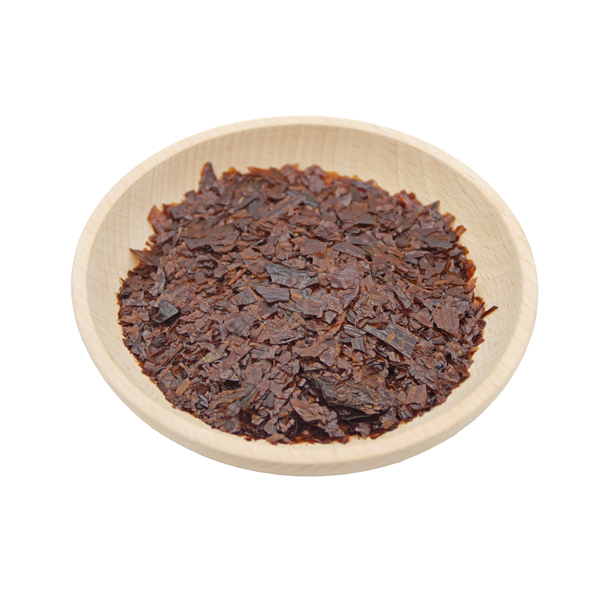
Orange Shellac is shellac in its natural color. It is cleaned but not bleached, so it keeps its warm orange-amber tone. For a long time it was the best-selling grade of shellac and the all-purpose wood finish, coloring and protecting the wood at the same time. Properties natural orange-amber tone cleaned, unbleached, with its natural wax soluble in ethanol colors and protects in a single step Use in Instrument Making Orange shellac is the versatile standard grade for spirit varnishes and French polishing. It gives pale spruce and maple a warm, honey-colored tone and brings out the figure. Many violin makers use it as the base for their own varnish blends, which they then adjust with other resins and dyes. Because it retains its wax, it shows its strengths above all in finishes made entirely of shellac. Other Uses Paneling and cabinetry: in the 20th century, orange shellac was widely used on wood paneling and cabinets as a combined stain and protective coat. Sealing wax: shellac is the traditional base for sealing wax, used in Europe since the 17th century. Storage Store in a cool, dry place. Thanks to its natural wax content, orange shellac keeps for a very long time. Available in 100 g, 250 g, 500 g and 1 kg. To dissolve it, we recommend our ethanol. For a golden-brown, slightly reddish tone, we offer ruby shellac. Learn more about the different types of shellac in our book “Violin Varnishes.”
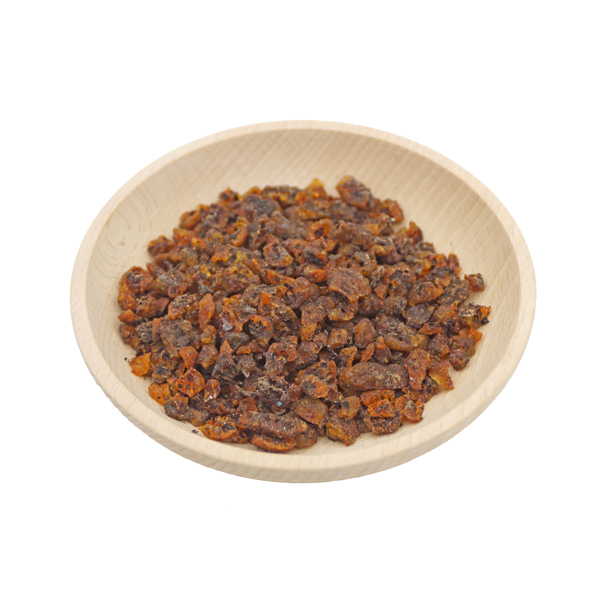
Sticklac is shellac in its raw form, just as it is harvested. The lac insect (Kerria lacca) coats the young twigs of its host trees with a crust of resin. These twigs are cut and traded as sticklac. It still contains bits of wood and the insects themselves. That is exactly what makes it special: besides the resin, it also holds the red lac dye that is lost when it is washed into seedlac. Properties untreated raw shellac with twig residue contains resin, wax and red lac dye resin soluble in alcohol, dye soluble in water color ranges from yellow to dark red depending on the region of origin Use in Instrument Making Sticklac is the starting material for anyone who wants to make their own shellac from scratch. The resin dissolves in ethanol. The solution needs a long time to settle so that wax and residues can separate. If the crushed sticklac is first washed in water, the red dye can be recovered separately and used to color the varnish as desired. Other Uses Lac dye is one of the oldest red dyes. It colors silk and wool with good light and wash fastness in shades from crimson to purple. Precipitated with alumina, it yields a red lake pigment for painting. Available in 100 g, 250 g, 500 g and 1 kg. Ready-refined, we offer orange shellac. Learn more about the different types of shellac in our book “Violin Varnishes.”